Hello everyone, and welcome to “Scaling Up Energy Efficiency for Growth, Jobs & Energy Security.” We're gearing up to begin shortly. While we prepare, feel free to share your thoughts and questions in the live chat.
Liveblogger — Jennifer Okaima Piette
While we wait for the event to begin, you can delve deeper into the topic by reading the key messages from the report 🕮, Power More With Less: Scaling Up Energy Efficiency for Growth and Energy Security: wrld.bg/YraB50X0gVR
Liveblogger — Jennifer Okaima Piette
Tell us, what are you most excited to learn or experience during this event? 🤔 Join the conversation across social media platforms using the hashtag #PowerMoreWithLess.
Liveblogger — Jennifer Okaima Piette
What is the actual measure of energy efficiency? Is it affordability? Is it cleaner carbon footprint ? Or availability at the point of need
Dismus Kosieny
We measure energy efficiency in terms of energy intensity or energy use per unit of GDP. For programs we assess the amount of energy saved, usually in kWh or tons of oil equivalent.
Expert — Jas Singh
Welcome everyone! I’m Jennifer Okaima Piette from the World Bank Group, and I'll be guiding our online discussion today. Throughout the event, I'll be sharing updates and resources related to the discussion.
Liveblogger — Jennifer Okaima Piette
We are joined by World Bank Experts, Selena Jihyun Lee and Jas Singh, who will be addressing your questions in the live chat. I invite you to also check out the lineup of speakers participating in today’s discussion listed on this page.
Liveblogger — Jennifer Okaima Piette
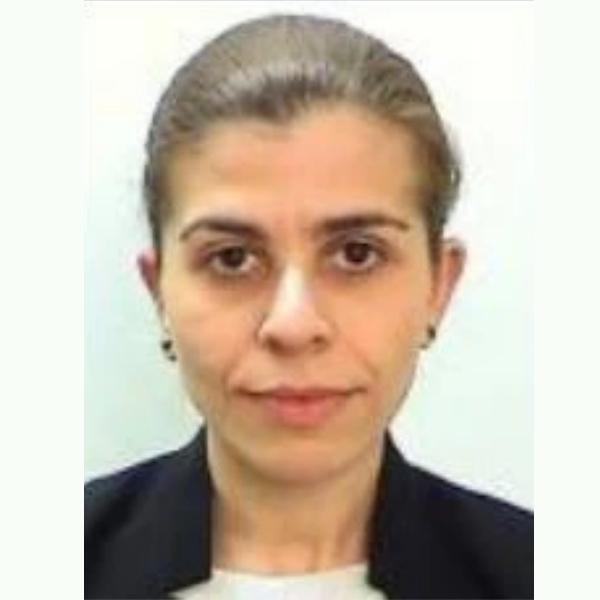
Q&A expert, Selena Jihyun Lee, is an Energy Specialist in the World Bank’s Global Energy Knowledge unit. She focuses on energy transition, with deep expertise in energy efficiency and resilience.
Liveblogger — Jennifer Okaima Piette
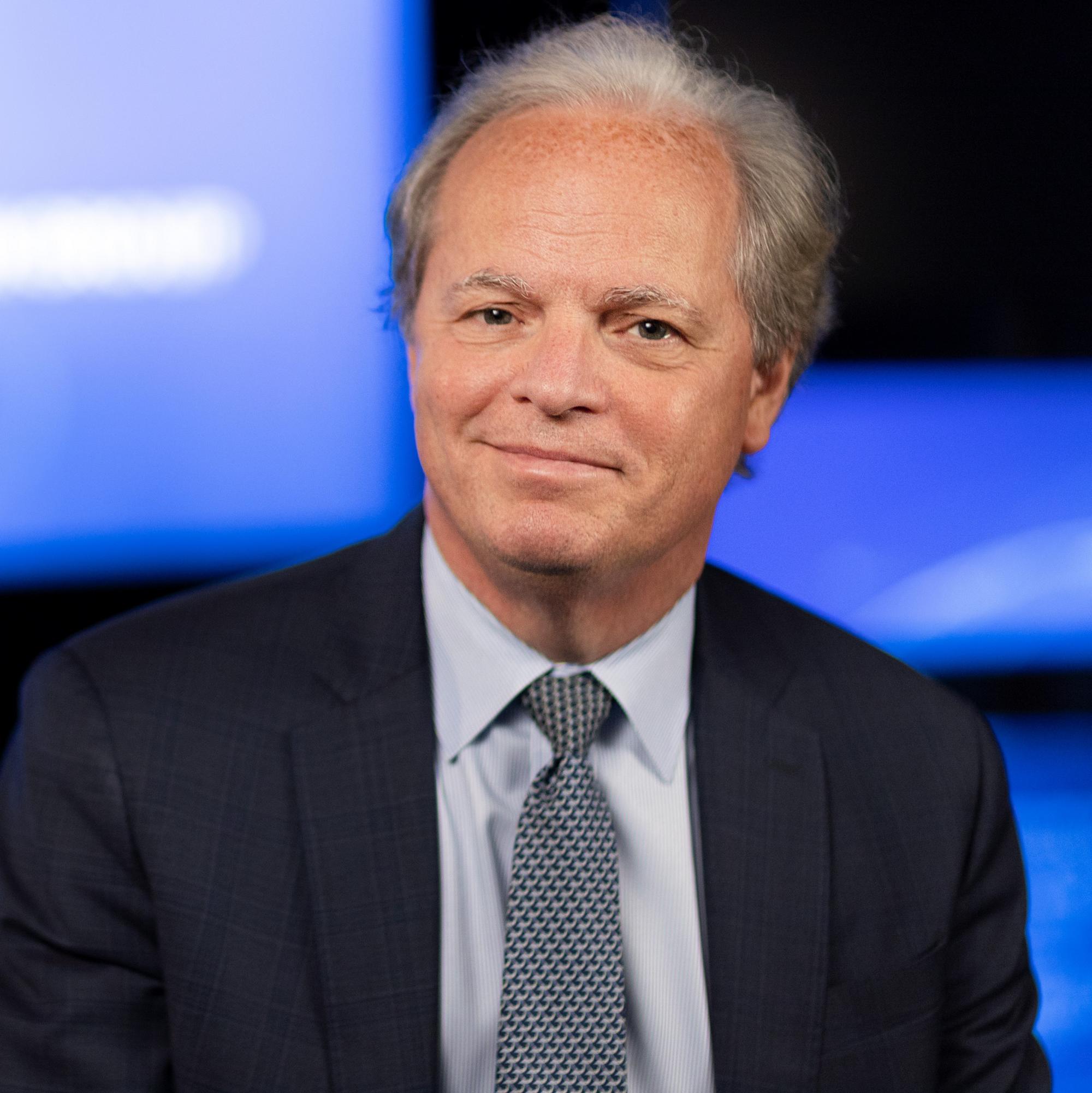
Q&A expert, Jas Singh, has worked on energy efficiency and sustainable energy programs for more than 31 years in over 45 countries. Jas serves as a Lead Energy Specialist with the World Bank’s Energy & Extractives Global Knowledge Unit
Liveblogger — Jennifer Okaima Piette
We are live! After this animation/video, our event moderator, Ani Balabanyan, will kick off the event by inviting Jas Singh, Lead Energy Specialist, World Bank, to present some of the findings from the report: Power More With Less: Scaling Up Energy Efficiency for Growth and Energy Security.
Liveblogger — Jennifer Okaima Piette
Remember, you can join the discussion on social media using the hashtag #PowerMoreWithLess. Our experts are also here to provide real-time responses in the live chat.
Liveblogger — Jennifer Okaima Piette
Which countries are more likely to invest in energy efficiency within the next couple of years?
Damian R.
Our new report notes that developing countries drove 80% of the increase in energy demand in 2024, of which 60% was in Asia, where energy demand for industry remains high with the demand for cooling and new technologies, such as artificial intelligence, growing fast. Developing countries, as key drivers of future demand growth, have the greatest need and potential for EE gains, though energy demand is also rising rapidly in developed countries due to increased use of energy-intensive technologies.
Expert — Selena Jihyun Lee
As an energy company developing new power projects in low-income countries, we constantly face the challenge of ensuring that added capacity actually reaches consumers efficiently, which can also discourage investment.
With that in mind, my question is: how can new power plants in low-income countries achieve real energy efficiency despite weak grids, technical losses, or theft?
Are there public-private partnership models, regulatory approaches, financing mechanisms, or maintenance practices that can help minimize these losses?
Djuna
Improving energy efficiency (EE) on both the supply and demand sides is essential. On the supply side, better energy planning, grid upgrades, and decentralized systems ensure generation matches grid capacity and energy is delivered efficiently. Regulations in the power sector must incentivize transmission and distribution companies to invest in improving service delivery and reducing technical and nontechnical (including theft) losses. On the demand side, EE is one of the lowest-cost paths to achieving modern, affordable energy access, which is what our newly published report is about: hdl.handle.net/10986/43292
Expert — Selena Jihyun Lee
What concrete projects is the World Bank supporting from an energy efficiency standpoint (e.g. buildings, industry, utilities, cooling, data centers, public lighting)?
Damian R.
Our new report makes references to numerous World Bank EE projects, which demonstrate the Bank’s support for EE. Specifically on financing for EE, the Bank has published a series of analytics, which includes various World Bank EE projects that you can find useful: Industry ( openknowledge.worldbank.org/... ); Public sector (openknowledge.worldbank.org/... ) Residential (openknowledge.worldbank.org/... )
Expert — Selena Jihyun Lee
What do you consider could be the highest impact strategy for improving energy efficiency for growth at a domestic level, like industries, cities, and especially homes?
Maria Clara Morales and Mexico
Effective EE policies and strategies vary by country, depending on their macroeconomic conditions and energy profiles. Chapter 5 of our report provides global best practices in the public, residential and industrial sectors, including effective policies, financing, incentives and information. National standards and codes are among the most cost-effective ways to do this, but access to good, credible information, accessible financing and incentives (when available) can also help boost the adoption of EE measures.
Expert — Selena Jihyun Lee
How are Low income countries being assisted by WBG and other development partners to transition to sustainable clean energy sources especially as regards building their energy infrastructure?
Wilson Wameyo
The World Bank Group provides governments with knowledge, analytical, and advisory support to set policy direction, establish regulatory and macroeconomic frameworks, and strengthen institutions—including power utilities, the backbone of the electricity sector. For more information, please visit: www.worldbank.org/energy
Expert — Selena Jihyun Lee
🕮 Jas Singh, Lead Energy Specialist, The World Bank, is now sharing some key insights from the “Power More With Less...” report. You can view the full presentation here: thedocs.worldbank.org/...
Liveblogger — Jennifer Okaima Piette
📌Rising energy demand will affect middle- and low-income countries or MICs and LICs, which already make up about 60% of global energy demand.
Liveblogger — Jennifer Okaima Piette
In Haiti, energy sector development is held back by a legal framework that is not aligned with global technological and policy trends on efficiency. How can the World Bank help governments adapt to this evolution?
Léonidas ( Haïti)
Our report recommends that countries begin by integrating EE into their national energy planning documents, identifying high-potential sectors, and then developing tailored policies and programs for each. Effective monitoring and evaluation are essential to ensure that the stated goals are achieved. The World Bank can offer a comprehensive support package, including the development of energy policies and legal frameworks customized to each country’s context.
Expert — Selena Jihyun Lee
Coming up shortly: A panel discussion featuring examples from Türkiye, Mexico, and the International Finance Corporation (IFC) on how governments, the private sector, and development partners can work together to attract investment and overcome barriers.
Liveblogger — Jennifer Okaima Piette
The panelists are: Mr. Israel Jáuregui Nares, Director General, CONUEE, Mexico; Ms. Esra Turan Tombak, Head of External Investments Department, Ministry of Environment, Urbanization and Climate Change, Türkiye; and Mr. Ommid Saberi, Principal Industry Specialist and Global Lead Green and Resilient Buildings, IFC
Liveblogger — Jennifer Okaima Piette
Energy efficiency is a broad concept. Which sectors should be prioritized for implementation in less developed countries?
Abdul Hameed Akhund
For both developed and developing countries, EE efforts should prioritize sectors with the highest energy use and economic impact, which vary by country. Our report notes that the public sector can often have high impacts - leading by example by investing in EE in their own facilities to help boost demand for EE jobs and related goods and services.
Expert — Selena Jihyun Lee
I think lack of information about the situation to the common community is themain problem.what is the plan to aware the local government and people
Mathew M.V.
A lack of information is a key barrier as noted in our report. Governments have responded with a range of actions to enable such data and information, such as through the development and maintenance of building inventories with energy consumption data, reported by mandatory facility energy managers, development and maintenance of a database of large consumers (industrial, public and commercial) with mandates for annual energy and fuel use reporting, benchmarking and other actions. Please see p. 52 of our report hdl.handle.net/10986/43292 to learn more.
Expert — Selena Jihyun Lee
In some countries, government or quasi-government institutions dominate energy provision, ensuring reliable supply to critical sectors such as health, education, and public administration. However, systemic mismanagement, political interference, and underinvestment often undermine this stability. Private sector participation, including through public–private partnerships, offers opportunities for greater efficiency and expanded investment but also carries the risk of pricing out low-income and marginalized groups. How can governments strengthen governance and regulation to balance state-led provision with private sector engagement in a way that safeguards reliability, equity, and affordability in the energy sector?
Timaeus Katekama
Our report addresses the importance of cost-reflective energy prices but notes the importance of social safety nets for poor and vulnerable households. Private sector participation can improve efficiency and the quality of service delivery, but strong social safety nets are critical for ensuring affordability. Energy efficiency (EE) is also an important measure to help households ensure their energy services remain affordable. Learn more: hdl.handle.net/10986/43292
Expert — Selena Jihyun Lee
How can Nigeria design and implement a scalable national energy efficiency program to catalyze economic growth, create sustainable jobs, and enhance national energy security, while overcoming its unique challenges of infrastructure deficit, fuel subsidies, and limited financing?
Zubair Ishola haruna
Our report recommends that countries incorporate energy efficiency (EE) into their energy strategies and planning documents, and develop measurable targets, policies and programs. These actions send a powerful signal to the market that governments are committed to EE, which is an important first step to attract investment, including from the private sector. Continued reform measures are also important to improve the enabling environment. Finally, public sector can lead by example by investing in EE in their own facilities to help boost demand for jobs and related goods and services (see p. 25 hdl.handle.net/10986/43292)
Expert — Selena Jihyun Lee
Given the infrastructure and funding challenges facing countries such as Nigeria; how can a country like Nigeria achieve their Energy efficiency goals?
Livingston Egba
Our report recommends that countries incorporate EE into their energy planning documents, identify which sectors have high potential, and then develop customized policies and programs to address each. Proper monitoring of program impacts and evaluations will help ensure that the stated goals have been met. Learn more: hdl.handle.net/10986/43292
Expert — Selena Jihyun Lee
How would Energy Efficiency, and Energy Access scale up to beat Energy Poverty by ensuring Energy Just Transition?
Smith Nwokocha, Nigeria
Our report recommends that EE should go together with energy access. Energy access is critical to improving livelihoods and quality of life. But the report also calls on the use of this energy to be efficient to avoid wasting limited energy resources and ensure it is still affordable for households. This can help ensure the energy transition remains affordable for all. See more from the report: hdl.handle.net/10986/43292
Expert — Selena Jihyun Lee
How can energy efficiency directly contribute to Africa’s industrial growth and competitiveness in the global market?
Emmanuel Robert, Nigeria
As noted in our report, energy efficiency (EE) reduces the need for energy consumption, which in turn lowers energy demand including costly fuel imports. For companies, energy efficiency can lower input costs, often reduces maintenance costs and thus can make firms more competitive. The report also shows that energy efficiency can help firms grow and fosters employment.
Expert — Selena Jihyun Lee
scaling energy efficiency or clean energy for all ?education for all or quality for education especially for developing countries? so, what i mean is since i'm from developing country i need to have clean energy affordability first rather than its efficiency. Because i live in a dark area or i used kerosene to get light for sake of study ,eating dinner,etc .so let's afford first then....
teklay
Our report recommends that EE should go together with energy access. Energy access is critical to improving livelihoods and quality of life. But the report also calls on the use of this energy to be efficient to avoid wasting limited energy resources and ensure it is still affordable for households. This can help ensure the energy transition remains affordable for all. See more from the report: hdl.handle.net/10986/43292
Expert — Selena Jihyun Lee
What mechanism can be put in place o help government leaders manage the opportunity costs of prioritizing energy efficiency investments?
Jop Nigeria
Our report recommends that countries incorporate EE into their energy planning documents so EE measures can be prioritized when they are the least cost option to meet growing energy demand and ensure energy services remain affordable for all. Governments then need to develop customized policies and programs to achieve their EE goals. The report identifies best practices to do so in the public, residential and industrial sectors.
Expert — Selena Jihyun Lee
Any international fund or credit to motivate adquisitions of energy efficiency equipment clients, in Mexico?
Noel MEXICO
In addition to World Bank financing, the Bank has access to a variety of concessional funds to support EE and other clean energy investments, such as the Global Environment Facility, Climate Investment Funds and others. Pls refer to our website for more information: fiftrustee.worldbank.org/...
Expert — Selena Jihyun Lee
What policies best incentivize industries, households, and utilities to adopt efficiency measures?
Liberia
Chapter 5 of our report provides global best practices in the public, residential and industrial sectors, including effective policies, financing, incentives and information. National standards and codes are among the most cost-effective ways to do this, but access to good, credible information, accessible financing and incentives (when available) can also help boost the adoption of EE measures. Learn more: hdl.handle.net/10986/43292
Expert — Selena Jihyun Lee
How can energy efficiency reduce dependency on costly fuel imports and stabilize national economies?
Liberia
Energy efficiency reduces the need for high energy consumption, which in turn lowers energy demand including costly fuel imports. This helps stabilize national economies by improving trade balances, reducing exposure to global fuel price shocks and supply disruptions, and freeing up funds for other economic priorities.
Expert — Selena Jihyun Lee
How can energy efficiency be integrated into national development and climate policies to attract investment?
Liberia
Our report recommends that countries incorporate energy efficiency (EE) into their energy strategies and planning documents, and develop measurable targets, policies and programs. These actions send a powerful signal to the market that governments are committed to EE which is an important first step to attract private investment. Improving the enabling environment and using the public sector to lead by example by investing in EE in their own facilities can help boost market demand for related goods and services (see p. 25 hdl.handle.net/10986/43292).
Expert — Selena Jihyun Lee
We still want to hear from you. How do you think energy efficiency relates to other current events or issues? What is the most interesting aspect of the panel discussion so far or one takeaway from today's panel discussion that you'll remember? Leave your comments in the live chat.
Liveblogger — Jennifer Okaima Piette
community outreach is one of the ways. We ty to make the information simple and achievable. We have incentives from different programs and that helps the participation and willing to understand how important is this.
Diana-EEUU
You are correct that a lack of simple, credible and accessible information is a key barrier as noted in our report. Governments have responded with a range of actions to enable such data and information, public campaigns, behavior change, help desks, etc. Please see p. 52 of our report hdl.handle.net/10986/43292 to learn more.
Expert — Jas Singh
Are we developing worldwide ways to save energy more efficientely? Meaning which countries are the ones developing more machinery that is energy efficient and how is this communicated and push worldwide?
Diana-EEUU
Yes, many companies are now working to green their supply chains, requiring their suppliers to be more energy efficient and sustainable. governments recognize this so are providing supportive policies (e.g., the EU's Carbon Border Adjustment Mechanism or CBAM) and programs to help countries meet these new export requirements.
Expert — Jas Singh
How these countries manage their relationship with utilities and are the utilities working together with the government, non profit organizations and privates?
Diana-EEUU
In many successful cases, energy efficiency is indeed managed through strong collaboration between governments, utilities, non-profits, and the private sector. Governments set regulatory targets and provide funding or incentives, while utilities are often mandated to deliver or support efficiency programs. Non-profits help with outreach, program design, and public awarness, and private companies taken on implementation like building retrofits or rolling out energy-efficient technologies. This multi-stakeholder approach helps make energy efficiency a shared national effort. In our report, we provide many of these multi-stakeholder examples that can be useful for your reference: hdl.handle.net/10986/43292
Expert — Selena Jihyun Lee
Coming up shortly: Questions from the field! Can you think of any real-life examples that can help address the issues being discussed? 🤔
Liveblogger — Jennifer Okaima Piette
Remember, your questions drive the conversation. Drop your inquiries in the live chat or join the discussion on social media using the hashtag #PowerMoreWithLess. Our experts are on standby to provide real-time responses
Liveblogger — Jennifer Okaima Piette
Video question from Ms. Karen Mora, Head of Sustainability, Fibra Uno: What are the mechanisms that can help ensure that the public sector policies and the private sector investment strategies in energy efficiency can remain aligned over time?
Liveblogger — Jennifer Okaima Piette
Video question from Ms. Chotika Uesampantakit, Economist, Ministry of Finance, Thailand: What are the most effective strategies for building some correlation and coordinating mechanism to support energy efficiency at scale?
Liveblogger — Jennifer Okaima Piette
Remember, your questions drive the conversation. Drop your inquiries in the live chat here or join the discussion on social media using the hashtag #PowerMoreWithLess. Our experts are on standby to provide real-time responses.
Liveblogger — Jennifer Okaima Piette
In aging residential building stock energy efficiency investments need to be combined with capital renovation, seismic reinforcement, accessibility upgrades, and more. Regardless of the large energy efficiency potential, the payback period of such complex investments is beyond reasonable due to large non-revenue-generating component. The hope of owners financing these investments under commercial financing is unreasonable. With Governments permanently cash poor, how do we finance these?
Astghine Pasoyan, Armenia
Our report did highlight additional challenges in many MICs and LICs including access to data, structural deficiencies, low consumption, etc. Many governments offer grants and budget support for these renovations. Some governments have allowed private companies that renovate the buildings the option build 1-2 additional floors that it can sell (subject to structural viability) to pay for the renovations.
Expert — Jas Singh
Coming up shortly: High-Level Call to Action by Axel van Trotsenburg, Senior Managing Director, World Bank
Liveblogger — Jennifer Okaima Piette
Unlocking the full potential of energy efficiency will require collaborative efforts between governments, financial institutions, donor partners, and the private sector
Liveblogger — Jennifer Okaima Piette
📌 The World Bank Group is committed to helping its client countries achieve universal access to reliable, secure and affordable electricity. Energy efficiency is a cornerstone of this goal.
Liveblogger — Jennifer Okaima Piette
📌 Our support will drive the policy and institutional reforms needed to translate ambition into impact, helping countries achieve economic growth and job creation, and build a more secure, sustainable and resilient energy sector.
Liveblogger — Jennifer Okaima Piette
Coming up shortly: The poll results
Liveblogger — Jennifer Okaima Piette
📊 We asked: What is the most effective way to scale up energy efficiency in developing countries?
The highest vote: Affordable financing schemes for energy efficiency
Liveblogger — Jennifer Okaima Piette
📌Energy efficiency can result in fiscal savings and boost competitiveness, leading to job growth. The World Bank is calling for countries to LEAP forward through leverage for scale and impacts, empower countries through capacity building, advocate for knowledge and best practices, and engage in programmatic engagements and partnerships.
Liveblogger — Jennifer Okaima Piette
we need more of these events to create awareness
Diana-EEUU
Thank you!
Diana-EEUU
How can we improve the energy efficiency system at a local level, like in homes? How can we as the civil society contribute?
Maria Clara Morales and Mexico
Homeowners should consider simple upgrades to their homes to reduce heat loss/gain through insulation, better windows, sealing of cracks, etc. You can also ensure appliances purchased are energy efficient. And, tell your neighbors how much money you are saving and encourage them to do the same!
Expert — Jas Singh
And that wraps up our discussion. A big thank you to everyone for tuning in! If you missed any part of it, don't worry, you can now watch the recording. Feel free to bookmark it for later viewing and share it with anyone who might find it insightful!
Liveblogger — Jennifer Okaima Piette
For further exploration of the Power More With Less: Scaling Up Energy Efficiency for Growth and Energy Security report, visit: worldbank.org/powe... To learn more about the World Bank Energy, visit: worldbank.org/energy
Liveblogger — Jennifer Okaima Piette